Argentine Chamber passes 2023 inflation ban with 141 votes
The final legislative step prevents the central bank from financing state spending, a move Milei credits for curbing price hikes that topped 200 percent last year.
By Eduardo Salazar ·
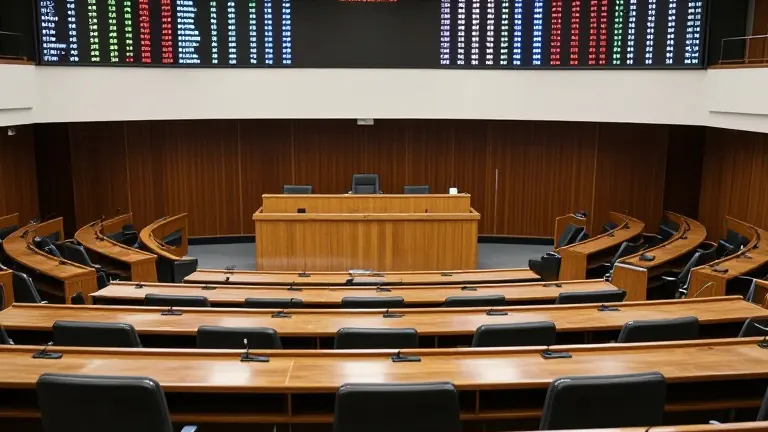
The Argentine Chamber of Deputies voted 141 to 0 on Thursday to block the central bank from printing money to cover government costs. Ninety-nine lawmakers abstained from the vote, which marks the final step in a legislative process that began in the Senate. President Javier Milei secured this win for his libertarian platform, which campaigned on cutting public spending and taming the currency.
The new law designates protecting the value of the peso as the central bank's primary duty. Previous governments frequently used newly printed cash to meet budget shortfalls, a tactic that fueled inflation rates above 200 percent in 2023. Milei won the presidency that year by promising to reverse those trends through austerity and fiscal discipline.
While inflation rates have dropped since Milei took office, poverty levels have climbed sharply. Economists warn the country may be sliding into a recession after economic activity slowed in recent months. The administration faces ongoing public frustration with its austerity measures, even as it pushes forward with its economic agenda.
Milei's office celebrated the Senate's earlier passage of the banking bill, describing it as an end to nearly two decades of political interference at the institution founded in 1935. The executive branch criticized the bank's historical record while noting that senators removed a provision requiring a two-thirds majority to dismiss central bank governors before final approval.
Senators also advanced a separate electoral reform bill on Thursday by a 43 to 29 margin. That measure would suspend primary elections, cut public funding for political parties, and eliminate the requirement for pre-election presidential debates. The Chamber of Deputies must still vote on this electoral proposal.
The changes arrive less than a year before the October 24, 2027 presidential election, when Milei is expected to run for a second term. Critics argue that suspending primaries allows him to avoid an early electoral setback that could harm campaign momentum and destabilize the economy. La Libertad Avanza members presented the bill as a simplification of the voting process.
Opponents warned the reform undermines democratic norms. Buenos Aires Governor Axel Kicillof, a potential presidential challenger, accused Milei of changing the rules to boost his re-election chances in a social media post.