Russian naval convoy diverts course after Ukrainian drone strike in Libya
A Russian military flotilla transporting equipment to Libya has turned back, marking a significant shift in naval strategy following the sinking of a Russian corvette by Ukrainian drones.
By News Media House Staff ·
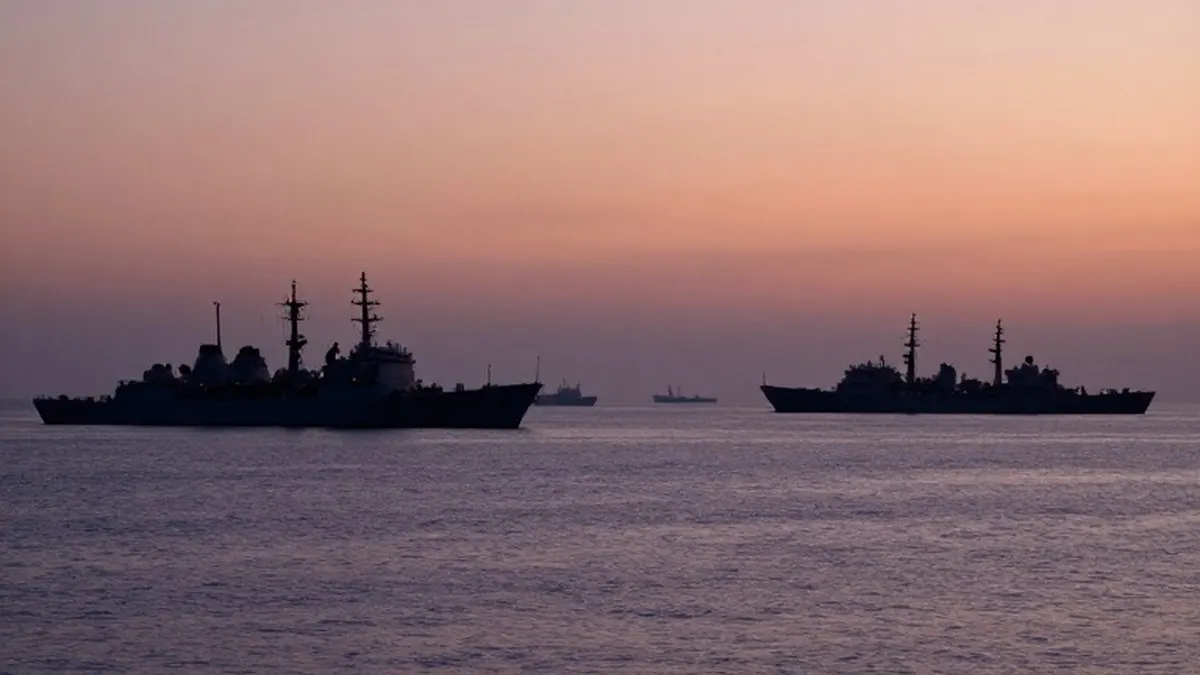
A Russian military flotilla operating in the Mediterranean Sea has reversed its course after Ukrainian naval drones sank a Russian corvette in the port of Benghazi on November 22. The convoy, which was tasked with transporting military equipment to Libya, is now altering its route in response to the recent loss of a warship. This development highlights a growing effort by Moscow to protect its naval assets in the region.
Reuters, citing military and security sources, reported that this change of direction had not been publicly disclosed until now. The incident underscores how Russia is adjusting its tactics to safeguard its fleet following the Ukrainian attack. The strike occurred in Libya, a location roughly 2,000 kilometers or 1,240 miles away from the primary battlefield in Ukraine.
Another Russian convoy, escorted by the naval frigate Golovko, also turned back near the Strait of Sicily on the same day the Benghazi attack took place. A European military official who had been tracking the movements of the convoy confirmed this maneuver. The Strait of Sicily is a critical chokepoint located off the coast of North Africa, making it a strategic area for naval operations.
The diversion of the second flotilla has been confirmed by multiple independent sources. A representative of Ukrainian military intelligence verified that the group of ships has changed its course and is no longer heading directly to Libya. Additionally, a separate Middle Eastern security official familiar with the situation corroborated these reports.
According to the available information, the diverted flotilla is currently positioned off the coast of Algeria. This shift indicates that Russia is likely reassessing the safety of its maritime supply lines to its ally in North Africa. The precise reasons for the specific routing changes remain under analysis by military observers.
The Russian Ministry of Defence has not yet responded to requests for comment regarding the status of the flotillas or the impact of the Benghazi incident on broader naval operations. Silence from the ministry is not uncommon in the early stages of such logistical adjustments, though it leaves many questions unanswered for international analysts.
The attack on the Russian vessels in Libya occurred on the same day that Ukrainian naval drones struck the Russian corvette Merkury. President Volodymyr Zelenskyy confirmed on November 23 that the Merkury was sunk. The corvette had a Ka-27 helicopter on board at the time of the strike, adding to the material losses inflicted by the Ukrainian forces.
In addition to the warship, the drones also struck the dry cargo ship MV Angara near Benghazi. Russia had been utilizing this vessel to transport weapons. The simultaneous damage to both a military corvette and a cargo ship demonstrates the reach and precision of the Ukrainian naval drone campaign in the eastern Mediterranean.
Diplomatic channels were also active in the aftermath of the attack. Italy stated that Ukraine did not coordinate its actions in Libya with its allies or provide prior information about the strike on the Russian ship. President Zelenskyy confirmed this lack of coordination during a phone call with Italian Prime Minister Giorgia Meloni, acknowledging the procedural gap in communication between the two countries.
These events collectively signal a new phase in the conflict, where naval engagements are extending further from the Black Sea and into the Mediterranean. The ability of Ukrainian drones to project power over such a significant distance is reshaping how Russia plans its maritime logistics and force protection measures.
Originally published by News Media House