Net 90,000 More Israelis Enter Than Exit Ahead of Tuesday Vote
Airport data shows a sharp drop in departures and a surge in arrivals as citizens return to cast ballots in the October 27 general election.
By Eric Wang ·
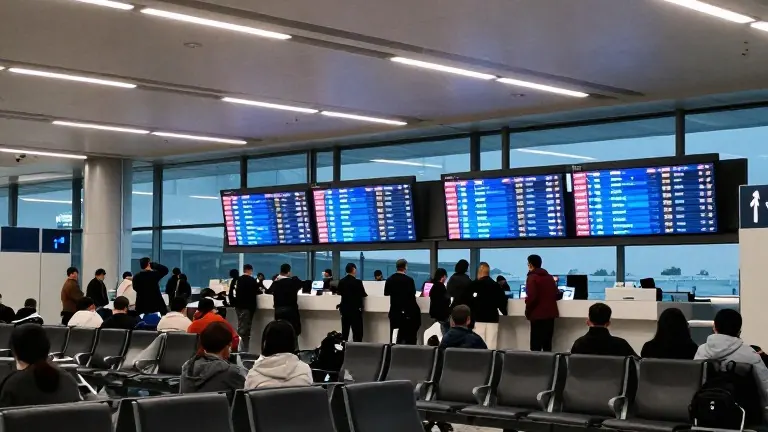
Israelis are altering their travel plans in the final days before the October 27 Knesset election, with airport records showing a distinct shift toward inbound traffic. The movement reflects a desire to be present for the vote, a task that requires physical presence for most citizens living abroad.
Channel 13 analyzed passenger data from October 17 to 27 across three election years: 2022, 2025, and 2026. In 2026, approximately 245,000 passengers departed the country. This number is lower than the 270,000 departures recorded in the same period in 2025 and significantly below the 323,000 who left in 2022. The decrease occurred even as the number of available flights increased.
Inbound traffic moved in the opposite direction. No special charter flights were organized to transport voters, meaning travelers used standard commercial routes. Despite this, the number of people entering Israel exceeded the number leaving by more than 90,000. In the same period in 2025, the gap between arrivals and departures was about 77,000.
The station calculated that this net gain of 90,000 travelers could equate to roughly two Knesset seats if all were eligible voters who cast valid ballots. However, the airport totals include children and foreign nationals who cannot vote, so the exact number of returning voters remains an estimate.
The potential impact of these voters is tied to the electoral system. Parties must secure at least 3.25% of valid votes to win seats in the 120-member Knesset. Because seats are allocated proportionally among parties that clear this threshold, small shifts in turnout can determine which parties enter the new parliament.
A recent survey by the Fly&Vote initiative, run by the AID Coalition, estimated that 67,000 Israelis living abroad planned to return to vote. The group uses registration data and voluntary surveys to track this interest. Most citizens abroad must fly home to cast ballots, as remote voting is not widely available. The coalition's efforts faced restrictions after legal challenges filed by the Likud party.
Alon Ben-Gurion, grandson of the first prime minister, David Ben-Gurion, is among those who returned. He arrived from the United States with his family and traveled to Tiberias to vote. Dedicated flights from New York and Lisbon were arranged in August to help meet the demand from overseas communities.
Source: The Jerusalem Post